 【Senior Nutrition】
【Senior Nutrition】
【Senior Nutrition】
How to Improve Malnutrition in Older Adults: A Complete Nutrition Guide for Seniors
Malnutrition in older adults is a common but often overlooked health concern. It does not only mean eating too little food. Seniors may also experience malnutrition when they do not receive enough protein, vitamins, minerals, calories, or fluids needed to maintain strength and independence.
As people age, changes such as reduced appetite, dental problems, digestive changes, chronic diseases, medication side effects, and social isolation can make it harder to maintain a balanced diet. Early nutrition support can help older adults preserve muscle mass, support immune function, improve energy levels, and maintain quality of life.
This guide explains how families and caregivers can improve nutrition for seniors through food choices, supplements, medical support, and lifestyle changes.
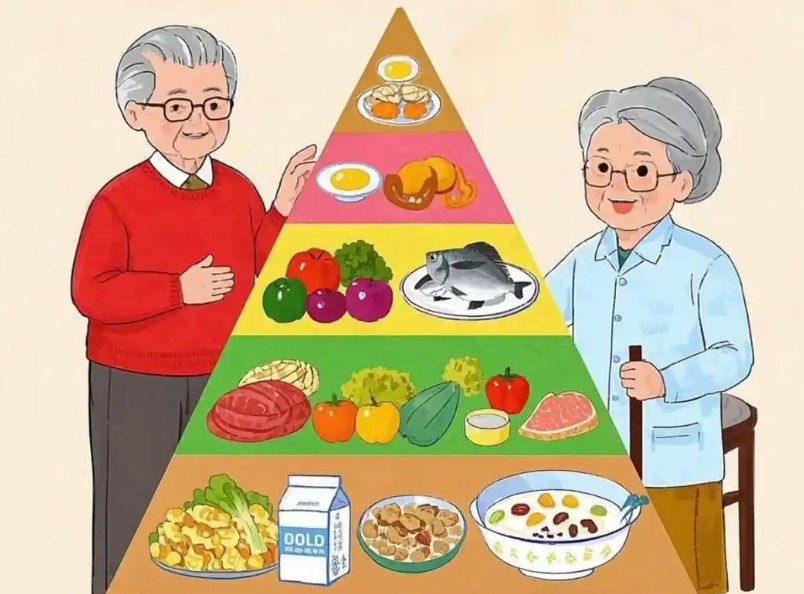
What Causes Malnutrition in Older Adults?
Reduced appetite and changes in taste
Many older adults experience decreased hunger signals. Foods may also seem less flavorful because taste and smell sensitivity can decline with age.
Loss of muscle mass
Age-related muscle loss, known as sarcopenia, increases protein needs. Older adults often require more attention to protein intake than younger adults.
Dental and swallowing problems
Missing teeth, poorly fitting dentures, or swallowing difficulties may cause seniors to avoid nutritious foods such as meat, vegetables, and whole grains.
Chronic health conditions
Conditions including heart disease, chronic lung disease, diabetes, cancer, and gastrointestinal disorders may increase nutritional needs or reduce food intake.
Social and emotional factors
Loneliness, depression, limited mobility, and living alone may reduce interest in cooking and eating.
Best Foods to Improve Nutrition in Older Adults
A senior nutrition plan should focus on nutrient-dense foods rather than simply increasing calories.
Protein-rich foods
Protein helps maintain muscle strength and supports recovery. Good options include:
- Fish and seafood
- Eggs
- Chicken or turkey
- Lean meats prepared softly
- Tofu and beans
- Greek yogurt and other dairy products
For seniors with chewing difficulties, foods can be softened through steaming, slow cooking, chopping, or blending.
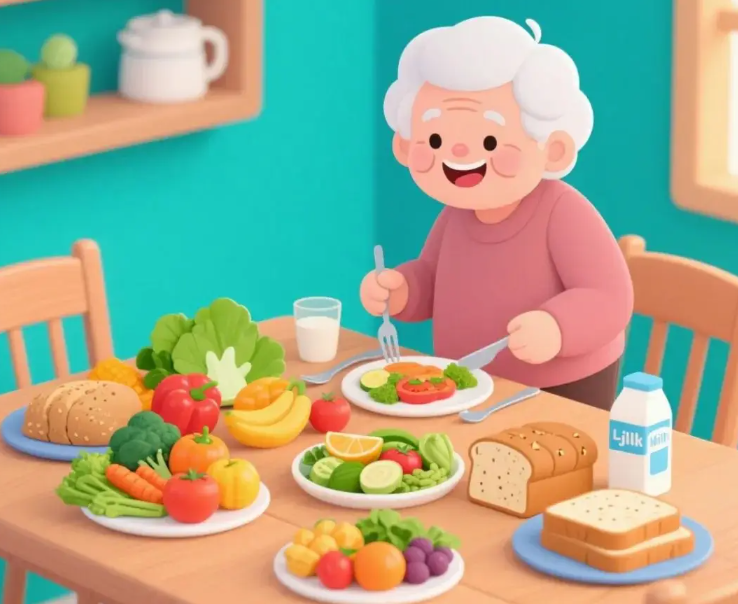
Healthy carbohydrates
Older adults still need carbohydrates for energy. Softer choices may include:
- Soft rice
- Oatmeal
- Whole grain bread
- Mashed sweet potatoes
- Soft cooked grains
Fruits and vegetables
Aim for a variety of colorful fruits and vegetables. Softer options such as cooked vegetables, smoothies, applesauce, and ripe fruits may be easier for some seniors to eat.
Healthy fats
Healthy fats provide concentrated calories and support overall health. Examples include:
- Avocado
- Olive oil
- Nut butters
- Ground nuts
- Fatty fish
Oral Nutrition Supplements for Elderly Malnutrition
When food intake alone is not enough, oral nutrition supplements may help fill nutritional gaps.
Common options include:
1. Complete nutrition shakes that provide calories, protein, vitamins, and minerals.
2. Protein powders for older adults who need additional protein support.
3. Vitamin and mineral supplements when deficiencies are identified.
Before starting supplements, seniors should consider their medical conditions. People with kidney disease, diabetes, or other health concerns should discuss supplement choices with a healthcare professional.
How Much Protein Do Older Adults Need?
Protein needs vary depending on health status, activity level, and medical conditions. Many nutrition experts emphasize adequate protein distribution throughout the day rather than consuming most protein at one meal.
Simple ways to increase protein include:
- Adding eggs to breakfast
- Including yogurt or cottage cheese as snacks
- Adding tofu or beans to meals
- Choosing protein at lunch and dinner
Protein works best when combined with safe resistance exercises or strength-building activities recommended for older adults.
Meal Planning Tips for Seniors With Poor Appetite
Instead of three large meals, many seniors benefit from smaller meals with snacks.
A practical schedule:
- Breakfast
- Morning snack
- Lunch
- Afternoon snack
- Dinner
Helpful snack ideas:
- Protein yogurt
- Soft fruit smoothies
- Egg custard
- Nut-based spreads
- Nutrition drinks
Make meals attractive by using different colors, pleasant aromas, and familiar favorite foods.
Medical Issues That May Affect Nutrition
Malnutrition can sometimes be a sign of an underlying medical problem.
Healthcare evaluation may be needed for:
- Unintentional weight loss
- Persistent appetite loss
- Difficulty swallowing
- Chronic diarrhea or vomiting
- Sudden weakness
- Fatigue
Trusted organizations such as the CDC, NIH, and Mayo Clinic emphasize the importance of nutrition, physical activity, and management of chronic diseases as part of healthy aging.
Lifestyle Strategies to Support Better Eating
Nutrition is influenced by more than food.
Helpful strategies include:
- Eating meals with family or friends
- Joining community senior meal programs
- Staying physically active with appropriate exercises
- Maintaining regular meal times
- Creating a comfortable eating environment
Social meals can improve appetite and encourage healthier eating habits.
FAQ Schema Questions
Q1: What is the best way to treat malnutrition in elderly people?
A: Treatment usually includes improving food quality, increasing protein and calorie intake, using appropriate supplements when needed, and addressing medical causes.
Q2: What foods help elderly people gain weight safely?
A: Nutrient-dense foods such as eggs, fish, yogurt, avocado, nut butters, beans, and protein-rich smoothies can help increase calories and nutrients.
Q3: Are protein shakes good for older adults?
A: Protein shakes can be helpful for seniors who cannot meet protein needs through food alone, but choices should consider health conditions.
Q4: When should an older adult see a doctor for weight loss?
A: Unplanned weight loss, especially ongoing weight loss or losing more than about 5% of body weight, should be discussed with a healthcare provider.
Q5: How can caregivers encourage seniors to eat more?
A: Offer smaller frequent meals, provide favorite nutritious foods, eat together when possible, and address problems such as dental issues or medication side effects.
Internal Link Suggestions for a Health Website
Suggested internal links:
- Healthy Aging Nutrition Guide
- High Protein Foods for Seniors
- Signs of Vitamin Deficiency in Older Adults
- Exercise Tips for Seniors
- Managing Appetite Loss in Elderly Adults
Conclusion:
Improving malnutrition in older adults requires a complete approach that combines nutritious foods, adequate protein, medical support, and emotional well-being. Small changes in daily meals can make a meaningful difference in strength, energy, and independence.
Families and caregivers should monitor weight changes, appetite, and eating patterns while working with healthcare professionals when concerns appear. With personalized nutrition support, many older adults can improve their health and maintain a better quality of life.
Previous:No articles available
Next:No articles available

