 【Senior Mental Health】
【Senior Mental Health】
【Senior Mental Health】
# Senior Mental Health After 60: Understanding Emotional Changes and Building a Happier Life
Aging is a natural stage of life that brings wisdom, experience and new opportunities. However, older adults may also experience changes in memory, emotions, social roles and daily routines.
Healthy aging is not only about physical health. Mental and emotional well-being are equally important. Supporting senior mental health can improve independence, confidence and quality of life.
According to organizations such as the National Institute on Aging (NIA), maintaining social connections, staying active, managing stress and seeking professional support when needed are important parts of healthy aging.
## H2: Common Psychological Changes in Older Adults
Older adults may experience changes related to brain function, emotional regulation and adaptation to life transitions.
### H3: Memory Changes and Cognitive Aging
Mild changes in memory are common with aging. Older adults may take longer to remember names, dates or newly learned information.
However, significant memory loss that interferes with daily life should be evaluated by a healthcare professional.
### H3: Emotional Changes and Mood Regulation
Some seniors experience increased sensitivity, frustration, anxiety, sadness or feelings of loneliness.
Major life changes such as retirement, health problems or losing loved ones can affect emotional balance.
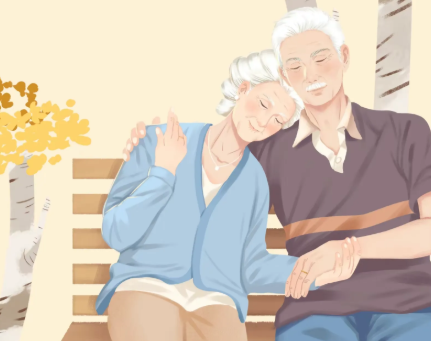
## H2: Retirement and Psychological Adjustment
Retirement is one of the biggest life transitions.
Many older adults move through several stages:
### H3: Preparation Stage
Before retirement, people may feel excited about freedom but also worried about losing identity and purpose.
### H3: Retirement Transition
Some individuals enjoy immediate relaxation, while others struggle with changes in routine.
### H3: Adjustment Period
Creating new routines, hobbies and social connections helps seniors adapt.
### H3: Stability Stage
Many older adults discover new sources of meaning through family, volunteering, hobbies and community activities.
## H2: Common Mental Health Challenges Among Seniors
### Loneliness and Social Isolation
Loneliness is one of the most common emotional challenges among older adults. Reduced social contact after retirement, children moving away and loss of friends can increase isolation.
### Feelings of Emptiness
Some retirees struggle when a busy professional life suddenly becomes quiet. Developing interests and meaningful daily activities can help restore purpose.
### Emotional Changes
Aging may involve experiences of loss, including changes in health, independence and relationships. Learning healthy coping strategies is essential.
### Sleep Problems
Older adults often experience lighter sleep, frequent waking or changes in sleep patterns. Good sleep habits support emotional and cognitive health.
## H2: Strategies to Support Senior Mental Health
### Stay Socially Connected
Regular conversations, community activities and family relationships help protect emotional well-being.
### Maintain Physical Activity
Walking, strength training and other exercises support both physical and mental health.
### Continue Learning
Learning new skills, reading, games and creative activities stimulate the brain.
### Build Daily Purpose
A meaningful routine can improve confidence and emotional stability.
## H2: Evidence-Based Health Resources for American Readers
Recommended sources:
- National Institute on Aging (NIH): Healthy Aging and Mental Wellness Resources
- Centers for Disease Control and Prevention (CDC): Healthy Aging Guidance
- Mayo Clinic: Depression, Stress and Emotional Health Information
## FAQ Schema - Featured Snippet Questions
Q1: What are common mental health issues in older adults?
A: Common concerns include loneliness, depression, anxiety, sleep problems and difficulty adjusting to major life changes.
Q2: How can seniors improve emotional health?
A: Staying socially connected, exercising, learning new skills and maintaining purpose can support emotional wellness.
Q3: Is memory loss normal with aging?
A: Mild changes can be normal, but serious memory problems affecting daily life should be evaluated.
Q4: How does retirement affect mental health?
A: Retirement can bring freedom but may also create challenges related to identity, routine and social connection.
Q5: What helps prevent loneliness in older adults?
A: Regular social activities, hobbies, volunteering and meaningful relationships can reduce loneliness.
## Internal Linking Suggestions
Suggested related articles:
- Best Exercises After 60 for Healthy Aging
- Exercise and Brain Health: Improve Memory Naturally
- Foods That Support Brain Health
- Sleep Tips for Older Adults
- How to Prevent Falls After 65
## E-E-A-T Author Section
Author Bio:
Written by a health and wellness writer focused on evidence-based healthy aging, senior psychology and lifestyle medicine.
Medical Review:
Content should be reviewed using guidance from trusted organizations including CDC, NIH and Mayo Clinic.
Health Disclaimer:
This article provides educational information and does not replace professional medical advice.
Previous:No articles available
Next:No articles available

